
The aim of the International Creative Drama in Education Seminars and Congresses, which have been held since 1985, is to share the studies conducted for the widespread adoption of creative drama as a course and method with national and international field experts. The field of creative drama in Turkey is rapidly developing and making its impact felt within the education system.
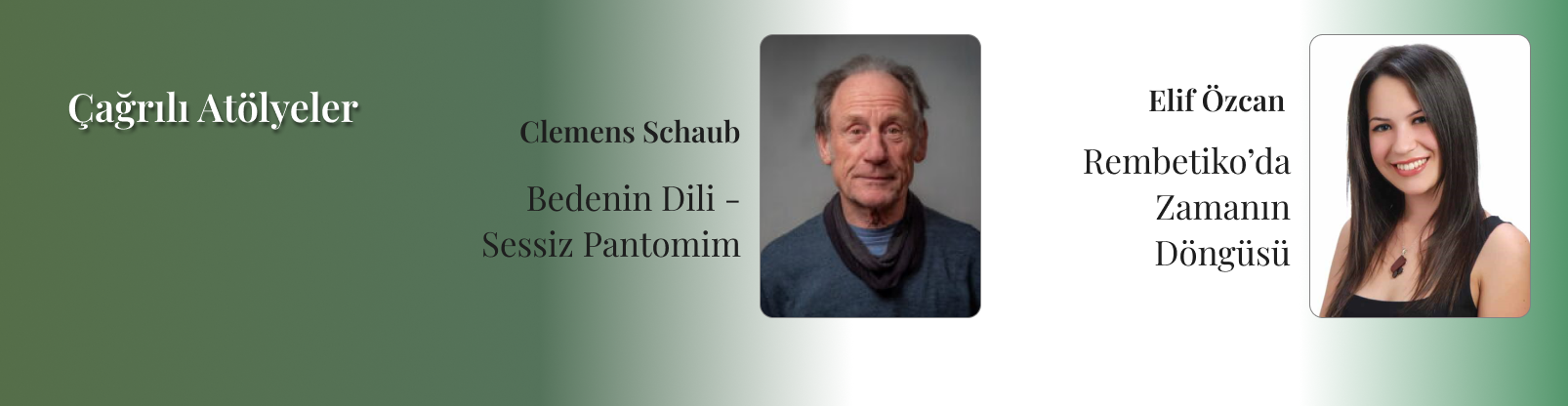
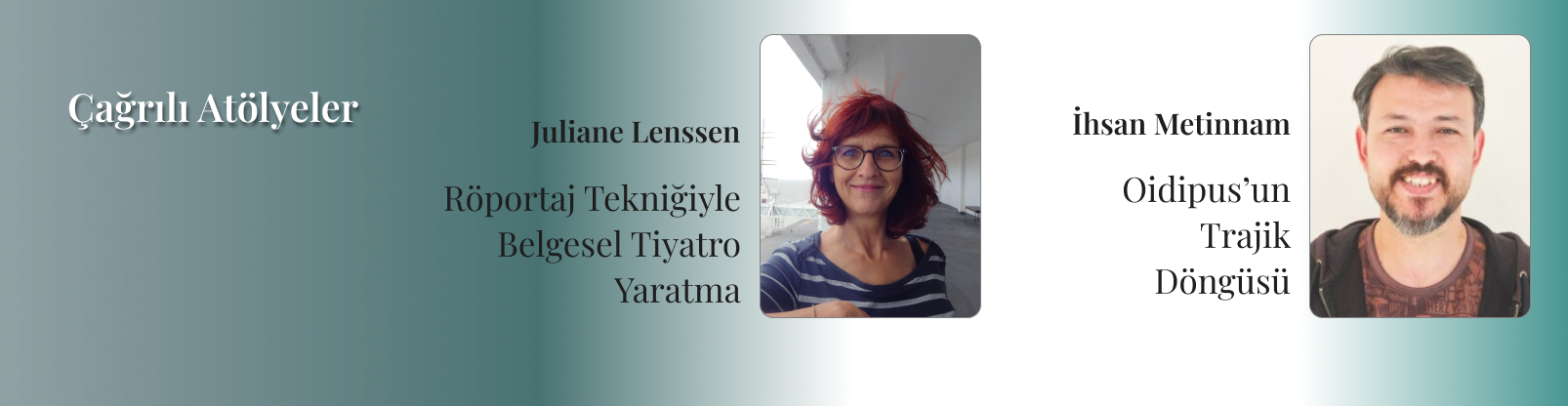
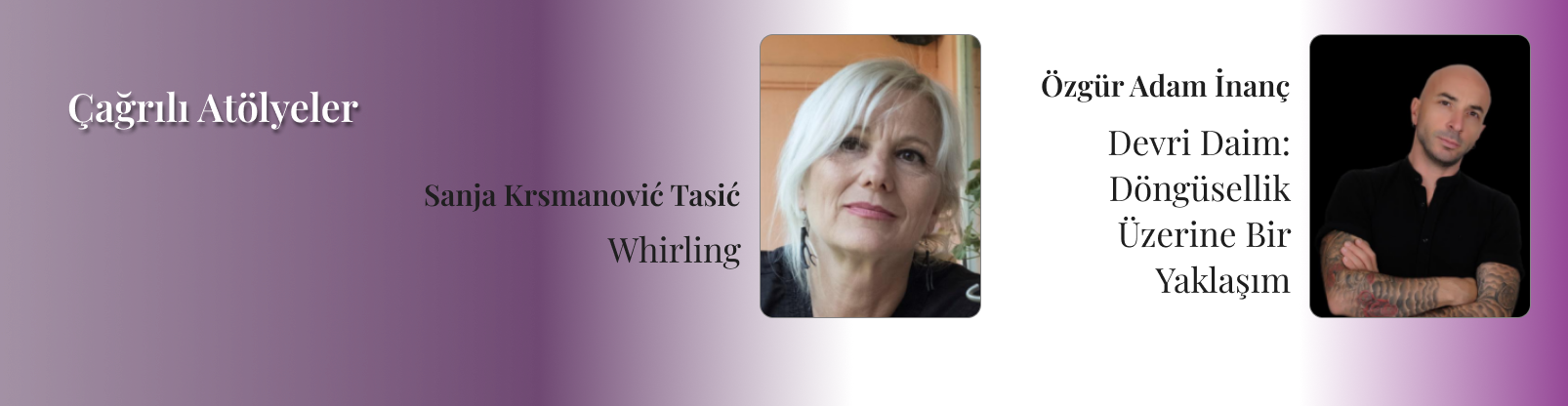
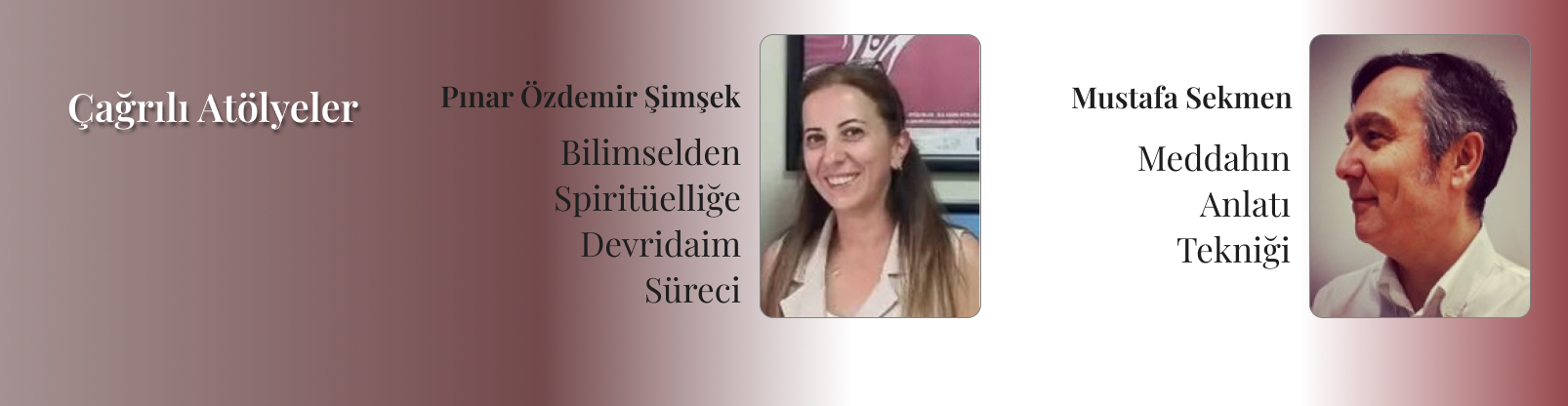
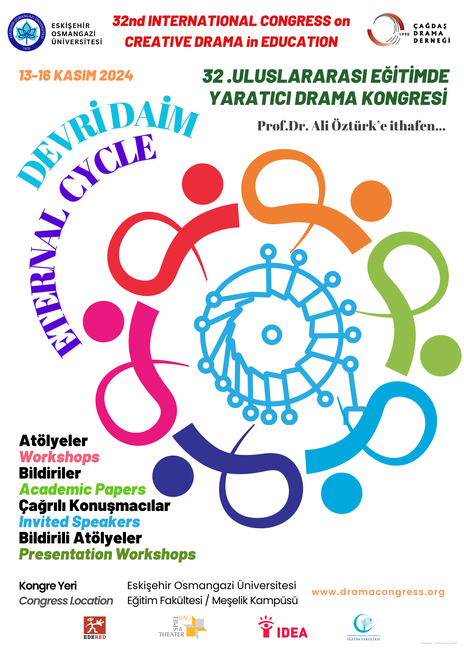
To date, our congresses have been organized in cooperation with institutions such as Ankara University, Hatay Mustafa Kemal University, Çukurova University, Eskişehir Anadolu University, İzmir Ege University, Bursa Uludağ University and the Metropolitan Municipality, Istanbul University, Istanbul Kadir Has University, Trabzon Karadeniz Technical University, Antalya Akdeniz University, Şanlıurfa Governorship, and Kocaeli University. The 32nd of these congresses will be held between November 13-16, 2024, in cooperation with Eskişehir Osmangazi University. During the congress, papers will be presented within the framework of the main theme, workshops will be conducted, workshop papers and panel discussions will be held.
Our congresses have provided significant momentum in initiating discussions on creative drama practices within Turkey’s educational, cultural, and artistic environments. Therefore, this congress, which aims to bring together creative drama instructors, arts educators, actors, theater scientists, educational scientists, teachers who apply creative drama, and those interested in or new to the field of creative drama, is open to everyone who has an interest in the field.
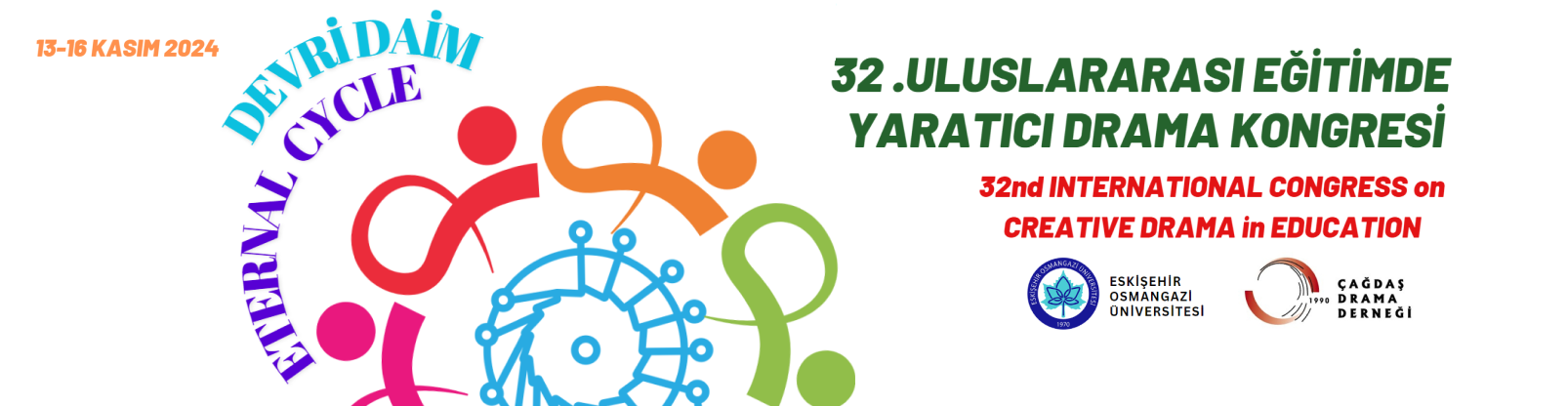
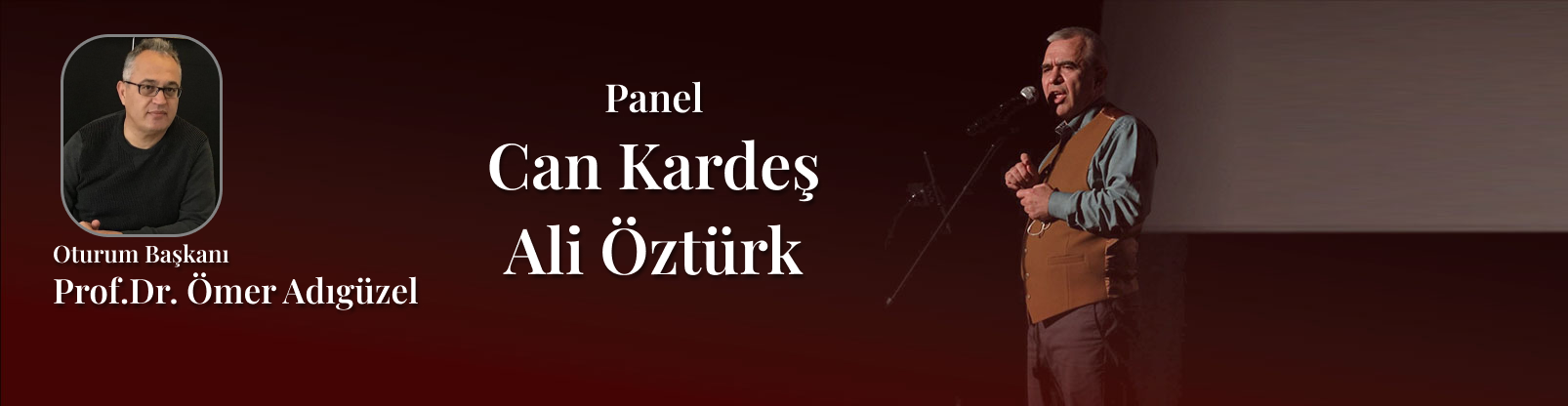
The main theme of the 32nd International Congress on Creative Drama in Education has been determined as “The Eternal Cycle” this year. The congress is dedicated to our educator, Prof. Dr. Ali Öztürk, who passed away on August 29, 2022, and was also the founding president of the Eskişehir branch of the Creative Drama Association.
“Devridaim,” formed by combining the Turkish word “devir,” meaning to rotate, with the Arabic-origin “daim,” meaning continuous or eternal, refers to a “complete and continuous cycle or circulation.” This rotation and circulation imply a circular structure and a cycle.
We encounter this concept in many areas of life; for instance, in engineering, we come across the perpetual motion pump. The perpetual motion pump is a crucial part that forms a kind of circular shield to prevent any machine from destroying itself by overheating.
The concept of the eternal cycle is also encountered in the field of belief. The concept of rotation, embraced by significant figures such as Mevlana and Yunus Emre, is rooted in the verse explained as “We belong to Allah, and to Him we shall return.” (Al-Baqarah 2/156). In the Mevlevi ceremony of Sema, the meaning of the dervishes’ circular movements, with their left hands facing the earth and their right hands facing the sky, is explained as “Everything returns to its origin,” and “What comes from the Creator returns to the Creator.”
When considered from all these aspects, it is evident that the concept of perpetual motion embodies a high level of consciousness, motivation, dedication, faith, and commitment. It often evokes the idea of embarking on a sacred and cyclical journey. This journey is the one mentioned by Yunus Emre in his verses, “The body is mortal, the soul never dies / Once gone, it never returns / If bodies perish, souls do not.” While the human body physically perishes with death, the soul, or spirit, continues to live; in some beliefs, it is reborn, while in others, it mingles with the earth, contributing to the creation of another being... Just like the seeds sown in the soil of drama in education and the marks left on all his students, Prof. Dr. Ali Öztürk's legacy will be everlasting.
The eternal cycle concept, with its circular structure and dynamism, is also an important feature of drama activities. Drama activities begin and proceed in a circular form. The circle symbolizes equality, movement, dynamism, no beginning or end—signifying infinity and eternity. The transformation of participants' experiences into new ones in drama shows the eternal cycle inherent in its structure.
Based on the information provided, studies focusing on the connections between the cyclical and dynamic nature of eternal cycle and drama/creative drama in education will be carried out at this congress.
With love and respect, we hope to meet at the 32nd International Congress on Creative Drama in Education, with the theme "The Eternal Cycle" to be held in Eskişehir from November 13-16, 2024.